
PRO GUIDE
The Gift of an Unforgettable Table: Experience Gifts for Foodies Who Have Everything
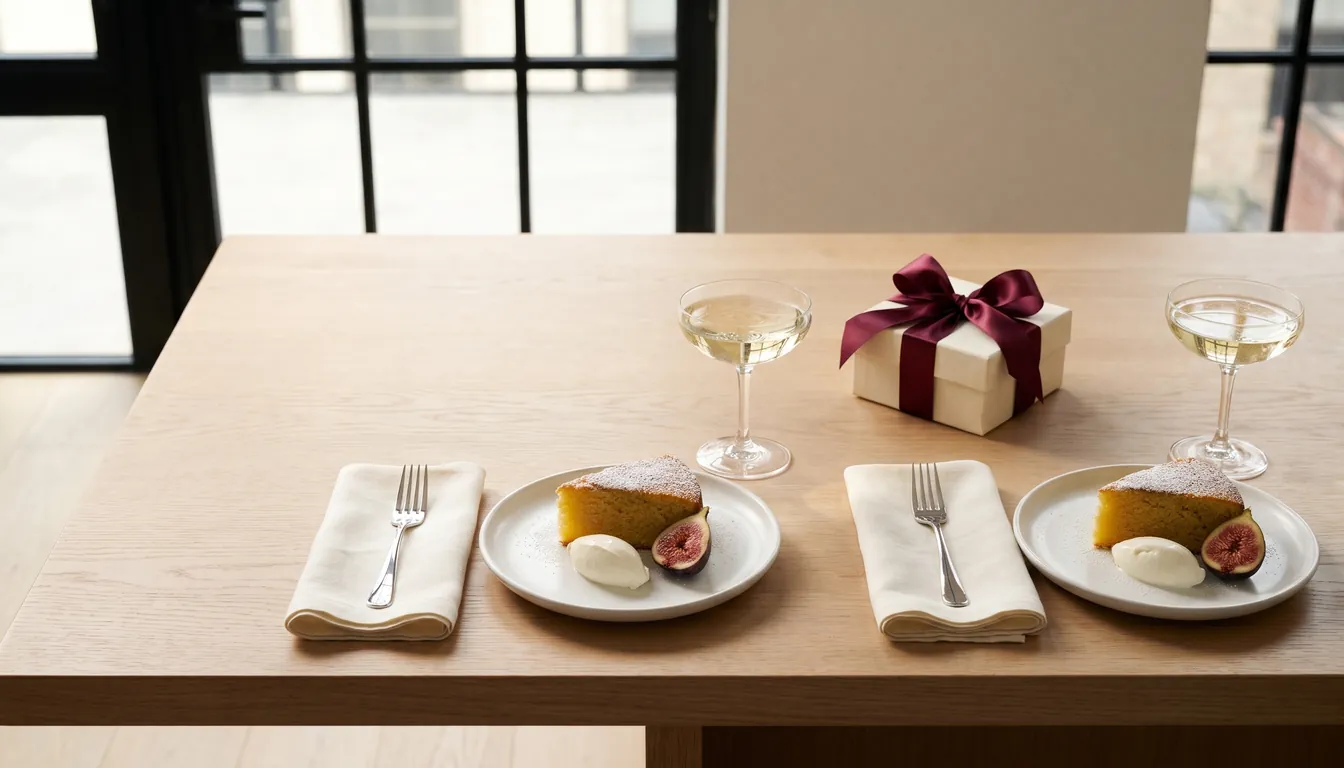
Somewhere on your list is the person no object can move. They have the watch, the cellar, the standing reservation at the restaurant you cannot get into; the coat you were considering hangs beside three like it. Shopping for them is not a budget problem. It is an imagination problem.
This guide to experience gifts for foodies argues for a different kind of present: not a thing but a table. A private chef composing dinner in their kitchen. A sushi counter rebuilt in their dining room. A mixologist teaching their favorite people to stir. The best food experience gifts occupy no shelf space, duplicate nothing they own, and cannot be regifted, because an evening this considered belongs only to the people who lived it.
What follows maps the full territory: which experiences suit which recipients, how gift cards work, what the numbers look like in the New York market as of mid-2026, and how to give an experience with the same care you would spend choosing an object.
Why the Table Beats the Box
The person who has everything is not jaded; they are finished acquiring. Their rooms are edited, their tastes are settled, and another beautiful object asks something of them—to store it, insure it, display it politely when you visit. An experience gift asks nothing except that they enjoy themselves.
Experiences also age in reverse. The scarf is at its best the day it is unwrapped; the dinner improves every time it is retold. A gifted evening becomes a story the recipient owns and repeats—the chef who narrated each course from the counter, the toast that ran long—and the giver is present in every telling. No object earns that kind of compounding return.
For food lovers, the gap between object and occasion is wider still. A serious palate has already bought itself the Japanese knives, the single-origin olive oil, the enameled everything. What it cannot buy off a shelf is access: a sought-after chef at its own counter, a sommelier opening bottles at its own table, the restaurant arriving rather than being reserved.
HELM exists to grant exactly that access—curated entry to the world's most sought-after hospitality talent, private chefs, mixologists, sommeliers, and servers among more than 500 vetted professionals, booked for single evenings and occasions. Which makes the gift version of the idea unusually clean. You are not wrapping an object; you are granting entry.
What Is a Good Experience Gift for a Foodie?
A good experience gift for a foodie brings the restaurant to them: a private chef dinner at home, an at-home omakase, a chef's-table tasting menu, a private mixology night, a sommelier-led wine tasting, or a hands-on class with a professional chef. Each is a single evening, composed around the recipient's own taste rather than a fixed program.
The category is broader than most gift guides suggest, and matching format to recipient is most of the art. The strongest food experience gifts share three qualities: they happen at the recipient's own table, they bend entirely to the recipient's preferences, and they end without a single dish left in the sink.
The Private Chef Dinner, Given
The flagship of the category. A private chef plans the menu with the recipient, shops, cooks in their kitchen, serves each course, and leaves the counters cleaner than found. It suits nearly everyone on a list: the couple marking an anniversary, the new parents who have not eaten a composed meal in months, the friend who hosts constantly and deserves one evening as a guest in her own home.
Given as an experience gift, its defining virtue is authorship. The recipient selects the chef, shapes the menu, and names the night, so the gesture cannot miss. Our companion guide on how to gift a private chef dinner in New York covers the mechanics in detail—gift cards, amounts to give, and what the recipient experiences from redemption to the last course.
Omakase, Brought to Their Counter
For the recipient who books sushi counters the way other people book flights, a private Japanese chef turns the kitchen island into the counter itself: courses handed across one at a time, fish introduced by provenance, pacing set by conversation rather than turn times. Our guide to omakase at home walks through the formats, courses, and typical costs. As an experience gift it flatters with precision, because it announces that you know exactly what they love.
The Chef's Table and the Tasting Menu
For the reservation chaser, relocate the room they chase. A multi-course tasting menu staged in their dining room turns dinner into counter theater—each course narrated as it is plated, techniques explained, questions welcome. The chef's table experience at home is the most extravagant entry in the category, which makes it the right instinct for milestone birthdays, engagements, and decades-married anniversaries.
Mixology Nights and Sommelier Tastings
Not every foodie wants to be cooked for; some want the bar, or the cellar. A private mixology night delivers a professional with the full kit—spirits, fresh juices, glassware, tools—who teaches the room three or four cocktails before finishing the night behind the shaker. A sommelier tasting brings a curated flight to the table: one region traced across six bottles, a vertical from a favorite producer, a blind tasting for the confident. Both are inherently social, which makes them the experience gift for hosts, for birthdays celebrated with friends, and for the wine-obsessed.
The Cooking Class Gift, Reconsidered
A cooking class gift usually means a studio, a name tag, and a recipe twenty strangers make at once. The private version is different in kind. A professional chef teaches in the recipient's own kitchen, on their own equipment, calibrated to their curiosity—pasta by hand, the breakdown of a whole fish, the sauces they have always outsourced. The class ends the way the best ones should: everyone seated, eating what was learned. For foodies who would rather participate than be served, it is the most personal experience gift on this list.
The Gifted Evening, Start to Finish
It helps to see the whole arc from the recipient's side. The card arrives, digitally or in an envelope with a note. The recipient describes the occasion and the table, is matched with professionals suited to both, and shapes the menu in conversation: allergies declared, aversions honored, one dish elevated because it means something to the household.
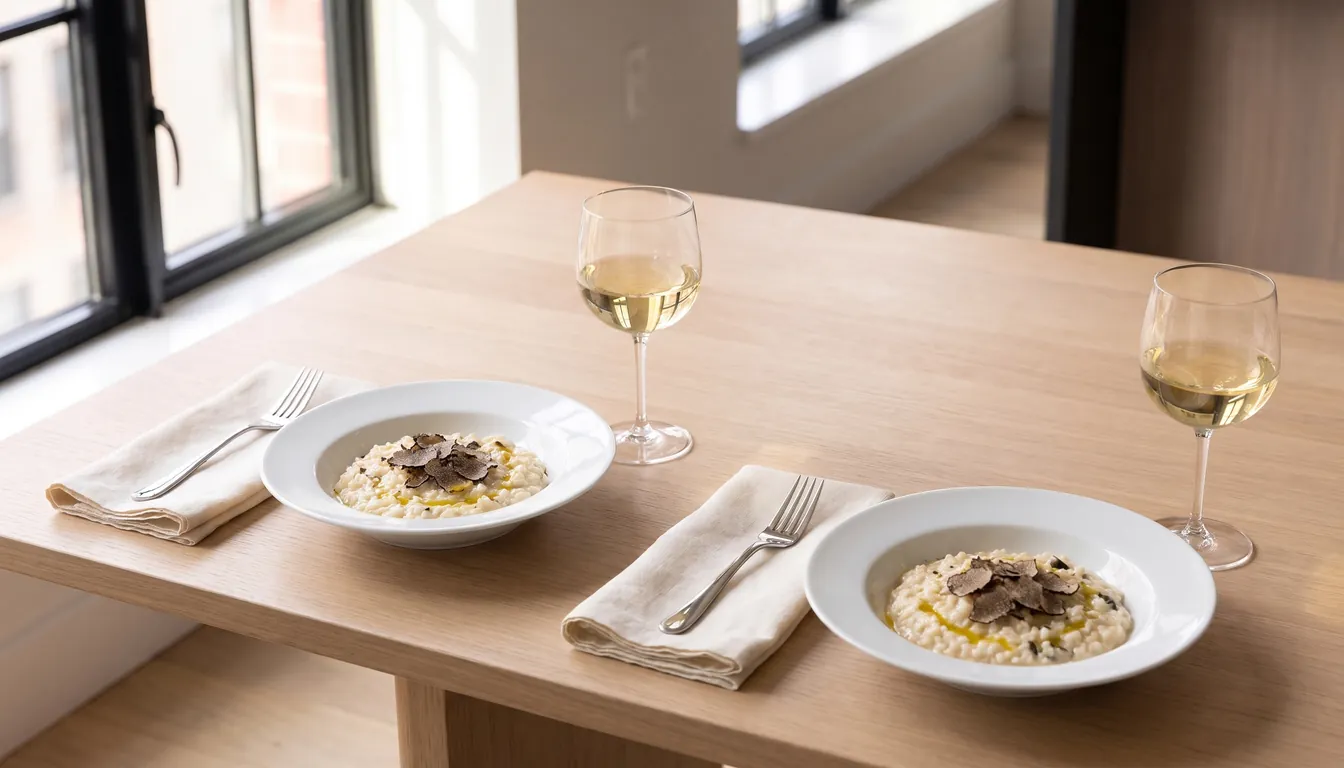
On the evening itself, the chef arrives well ahead of the first guest with everything the menu requires. The recipient's only obligations are to open the door and to sit down. Courses are served, the kitchen is restored to better than it was found, and the professional leaves discreetly—no check, no tablet spun around, nothing left to settle.
What the gifter has actually given, in other words, is not dinner. It is a night of being hosted inside their own home, with every logistical burden quietly removed. That is why, among experience gifts for foodies whose shelves are full, the composed evening keeps winning: it is the one luxury that cannot be duplicated by anything they already own.
How Do Private Chef Gift Cards Work?
A private chef gift card carries value rather than a fixed menu, chef, or date. You purchase it in an amount of your choosing; the recipient redeems it against any booking—selecting the chef, composing the menu with them directly, and setting the evening on their own calendar. Nothing about the experience is decided without them.
On HELM, gift cards are delivered digitally, ready to send directly or print for the envelope. They apply across the entire marketplace, not only to chefs, so the value can just as easily fund a mixology night or a sommelier tasting if that is where the recipient's appetite leads. HELM gift cards carry no prescriptions, which is precisely the point.
Redemption follows the same three movements as any booking: compose, commission, create. The recipient describes the occasion, is matched with talent suited to it, and confirms every detail before hosting. The gifter is never asked to guess at allergies, dietary lines, or the recipient's private opinion of tasting menus.
This structure solves the oldest problem in gifting for people with developed taste—the risk of choosing wrong. The card does not choose. It funds an evening and hands over every decision that makes the evening theirs.
How Much Does a Private Chef Experience Gift Cost?
As of mid-2026, typical New York market ranges run roughly $100 to $300 per person for a private chef dinner, $150 to $325 and up for multi-course tasting menus, $75 to $150 per guest for mixology nights, and from about $90 per guest for sommelier tastings. Intimate dinners for two often reach $500 or more once minimums apply.
Across experience gifts for foodies, those figures are market context, not a rate card. On HELM, professionals set their own rates, so a quote reflects the specific menu, date, guest count, and pedigree involved. Caviar and wagyu move a number in one direction; a quiet Tuesday in late January moves it in the other.
Sizing the gift is simpler than the ranges suggest:
- For a couple, fund a complete dinner for two, typically in the mid-hundreds all told.
- For a recipient who entertains, contribute a meaningful share of a dinner party rather than insisting on covering the whole table.
- For group gifts—weddings, retirements, milestone birthdays—pool contributions into one significant card; a single considered gesture reads better than several small ones.
A partial amount still does its work. The card's job is to be the reason the evening happens; the recipient will gladly carry it the rest of the way.
What Are the Best Experience Gifts for Couples?
The best experience gifts for couples are built for two: a chef-prepared dinner at their own table, an omakase or tasting menu for a milestone, or a sommelier flight they explore together. A dinner experience gift for couples succeeds because it gives them a shared evening rather than parallel objects—time, composed.
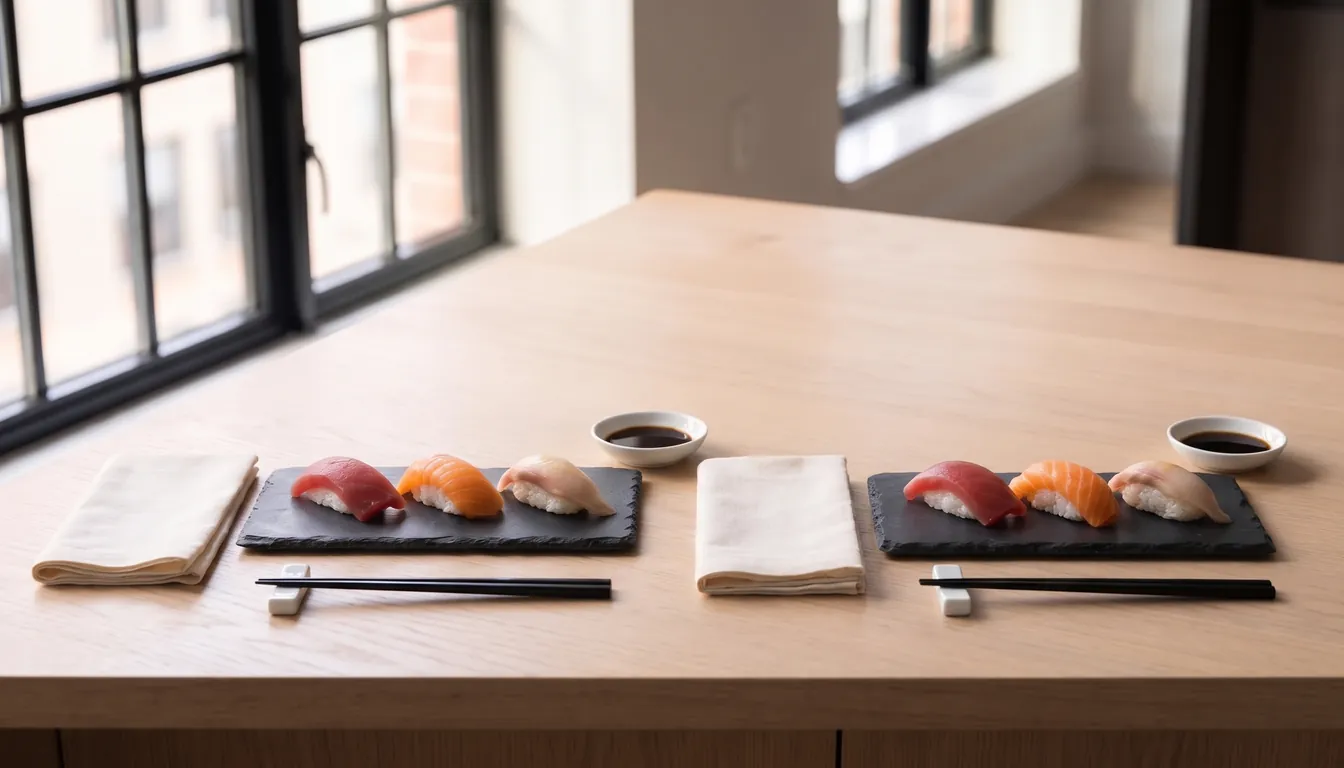
The forms are familiar because the occasions are. An anniversary dinner that rebuilds the menu from a first date, course by course. A wedding gift that skips the registry and gives newlyweds their first hosted dinner as a household. A February omakase in a warm apartment: no reservation, no coat check, no drive home.
New parents deserve particular mention. They cannot go out, they are weary of delivery, and a chef who arrives quietly, cooks something composed, and resets the kitchen restores precisely the thing they miss. Time the gift for a month or two after the birth, when the first wave of help has receded.
Luxury Experience Gifts for Every Occasion
The gifting calendar has four seasons, and luxury experience gifts behave differently in each.
- December owns the category. Holiday demand concentrates hard, and New York's most sought-after chefs book their December Saturdays weeks ahead. A card given in December and redeemed in quiet January often buys a wider choice of talent for the same amount.
- Valentine's Day rewards the fully commissioned evening over the open card: settle the date quietly with a spouse or partner, then present the menu itself.
- Mother's Day and Father's Day suit the formats that gather a family—a chef-led Sunday lunch, a class that puts three generations in one kitchen.
- Wedding and anniversary season runs May through October, and the gift travels well: a card redeems as easily against a Hamptons summer table as a city apartment in the fall.
Business gifting deserves its own line. For the client or colleague whose home you will never see, the open card outperforms any commissioned evening: it is generous without being presumptuous, and it never guesses wrong about kitchens, calendars, or dietary lines.
For a format-by-format comparison in the city itself, the New York experience-gift shortlist sets chef's tables alongside mixology nights and sommelier tastings, with typical price bands and the occasion each suits best.
How to Give an Experience Gift Well
The card carries the value; the note carries the gift. Leave the amount unmentioned and name the evening instead—who it is for, what it marks, the fact that there is nothing for them to plan. Three lines are enough.
Consider, too, what stands behind the gesture, because an experience gift lends out your judgment. Every professional on HELM passes a five-step vetting process—a personal vetting session, a mastery showcase, an environmental acumen assessment, reference checks, and a commitment to discretion—before ever reaching a member's table. Members rate their experiences 4.8 out of 5, and the roster includes more than 100 James Beard-recognized professionals: useful reassurance when the evening will be judged by someone who did not choose it.
One final discipline: resist over-specifying. A gift that dictates the chef, the menu, and the date has already made three guesses too many. Give the value and the intention, and let them compose.
Experience Gifts for Foodies, Chosen Well
The best experience gifts for foodies share a single conviction: taste is the recipient's territory, and the gift should fund it rather than second-guess it. An object flatters your eye. A table flatters theirs.
So give the evening. Choose the format outright if you know them cold—the omakase, the tasting menu, the class that ends in dinner—or give the card and the three-line note and let them compose it themselves. Either way, the person who has everything finally receives the one thing they do not: an unforgettable table of their own, with someone remarkable standing at the helm of it.
Questions
Frequently Asked Questions
What do you get the person who has everything?
Give an experience composed around them: a private chef dinner at their own table, an at-home omakase, or a sommelier tasting. Experiences occupy no shelf space, duplicate nothing they own, and become stories they retell for years—which is why they consistently outperform objects for recipients whose taste is already fully furnished.
Can you gift a private chef dinner?
Yes. The simplest route is a gift card in an amount of your choosing: the recipient selects the chef, composes the menu, and sets the date, so nothing is guessed on their behalf. You can also commission a specific evening outright, ideally coordinated quietly with a spouse or close friend.
How much should you put on an experience gift card?
Size it to the table you intend to fund. As of mid-2026, typical New York ranges suggest the mid-hundreds covers a complete chef-prepared dinner for two, while dinner parties run roughly $150 to $300 per person. Partial amounts work well; the card needs to start the evening, not finance every course.
Is a cooking class a good gift for a foodie?
Yes, provided it is the private kind. A studio class hands your foodie a name tag; a private class brings a professional chef to their own kitchen to teach exactly what they want to learn, then ends with everyone eating the results. It suits recipients who would rather cook than be served.
When should you give an experience gift instead of an object?
Whenever the recipient's shelves are already full: holidays, weddings, milestone anniversaries, retirements, and thank-yous that need weight. December is the category's peak, so gifts redeemed in January and February often enjoy a wider choice of talent. For Valentine's Day, commission the evening itself rather than giving an open card.